
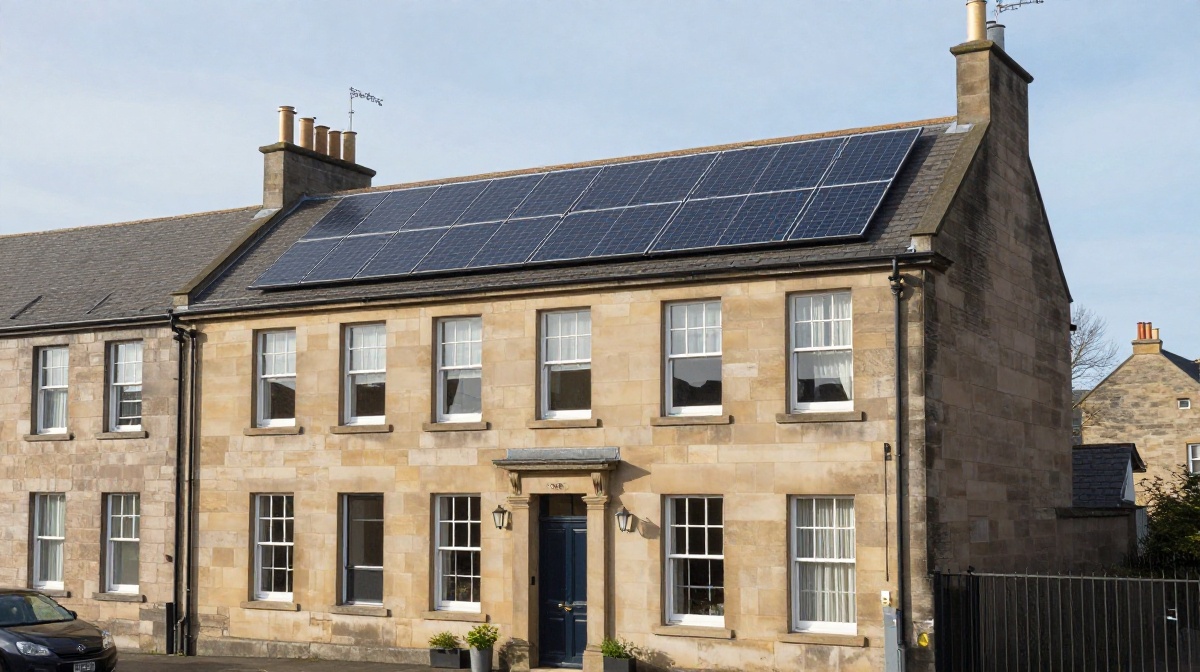
Why the Scottish weather is actually fine for solar energy
It is a bit of a running joke that the Scottish summer is the best day of the year. We are well-acquainted with grey skies, horizontal rain, and the kind of mist that seems to soak you to the bone in seconds. Because of this reputation, many homeowners across the country dismiss the idea of renewable energy before even looking into it. The common thought is that if you cannot see the sun, your roof cannot produce electricity. However, the reality of how solar technology works is quite different from the myth.
Solar photovoltaic (PV) panels do not actually need direct, blazing sunshine to generate power. They operate on light, not heat. Even on a typical overcast afternoon in Glasgow or Aberdeen, there is still a significant amount of daylight filtering through the clouds. This is known as diffuse light, and modern high-efficiency panels are specifically designed to capture it. While a system will certainly produce more on a clear day in July, it continues to work throughout the year, even during our famously moody winters. In fact, solar panels can actually perform more efficiently in cooler temperatures, as excessive heat can sometimes degrade the conductivity of the cells.
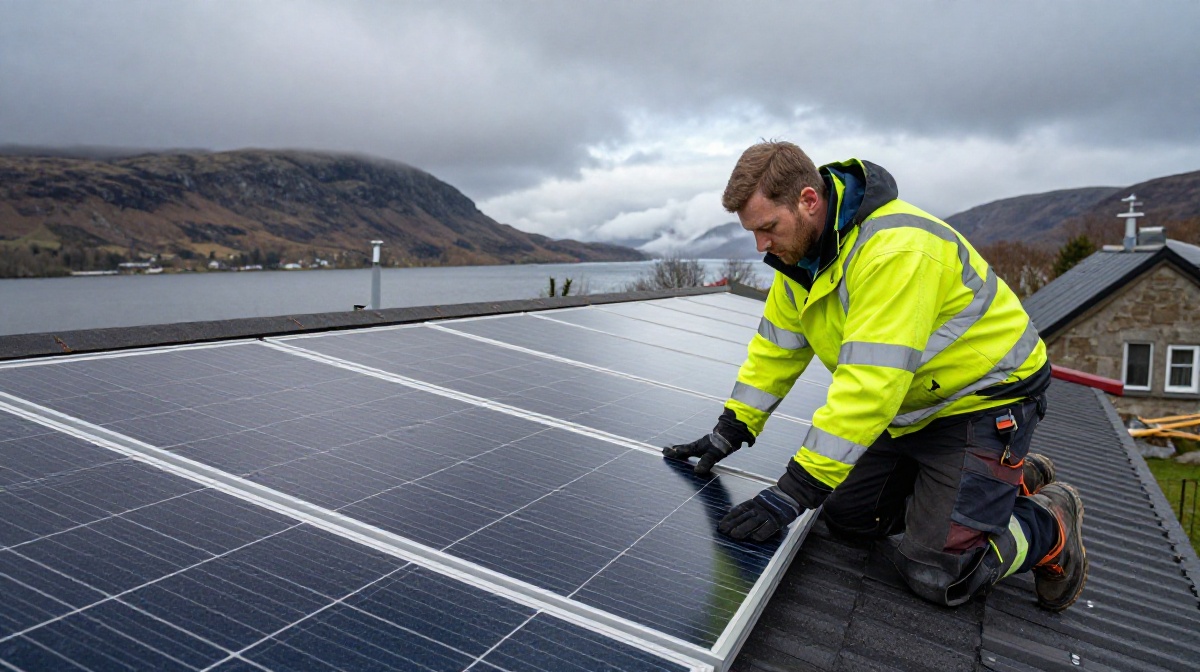
The financial case for solar panels Scotland
With energy prices remaining volatile, the primary motivation for most people looking into renewables is the potential for long-term savings. By generating your own electricity, you reduce the amount you need to buy from the National Grid. Over the course of a year, these savings can be substantial, especially for households that are home during the day or those who can automate their appliances to run when the sun is out. If you are considering making the switch, finding a reliable installer for Solar panels Scotland is the first step toward energy independence.
Beyond just saving money on what you consume, there is also the opportunity to earn a bit back. The Smart Export Guarantee (SEG) is a government-backed initiative that requires energy suppliers to pay you for any excess electricity you export back to the grid. While the rates vary between providers, it adds another layer of financial benefit to the installation. When you combine reduced bills with these export payments, the ‘payback period’—the time it takes for the system to pay for itself—has shortened significantly over the last few years.
There are several key financial benefits to consider:
- Immediate reduction in monthly electricity bills.
- Protection against future energy price hikes from traditional suppliers.
- Potential increase in property value as energy ratings become more important to buyers.
- A significant reduction in your household’s carbon footprint.
Navigating the world of grants and funding
One of the best things about living in Scotland is the specific support available for green energy projects. The Scottish Government has been quite proactive in trying to meet ambitious net-zero targets, which means there are often better incentives here than in other parts of the UK. Home Energy Scotland (HES), which is funded by the Scottish Government, provides a range of support options including interest-free loans and, in some cases, significant grants.
The Home Energy Scotland scheme
For many, the initial upfront cost of solar panels Scotland is the biggest hurdle. The HES scheme is designed to lower that barrier. Depending on your circumstances and the current funding cycle, you might be eligible for a loan that allows you to spread the cost of the installation over several years without paying a penny in interest. In certain priority areas or for specific types of retrofitting, there may even be grant portions that do not need to be paid back at all. It is always worth checking the latest criteria, as these programmes are frequently updated to reflect new environmental policies.
Maximising your investment with battery storage
If you really want to get the most out of your system, you have to talk about batteries. A standard solar setup without a battery means that if you aren’t using the power the moment it is generated, it goes straight back to the grid. Since many of us are out at work during the peak generation hours of 10 am to 4 pm, a lot of that free energy can go to waste. This is where battery storage changes the game.
A battery allows you to store the energy generated during the day so you can use it in the evening when you are actually home, cooking dinner, and watching television. This drastically increases your ‘self-consumption’ rate. Instead of using 30% of what your panels produce, a battery could help you use 80% or more. In the context of the Scottish climate, where daylight hours are shorter in the winter, being able to store every possible watt of energy is a massive advantage.
When choosing a battery, you should consider:
- Capacity: How much energy can it hold (measured in kWh)?
- Depth of Discharge: How much of the battery’s power can you actually use before it needs recharging?
- Cycle Life: How many times can the battery be charged and discharged before its performance drops?
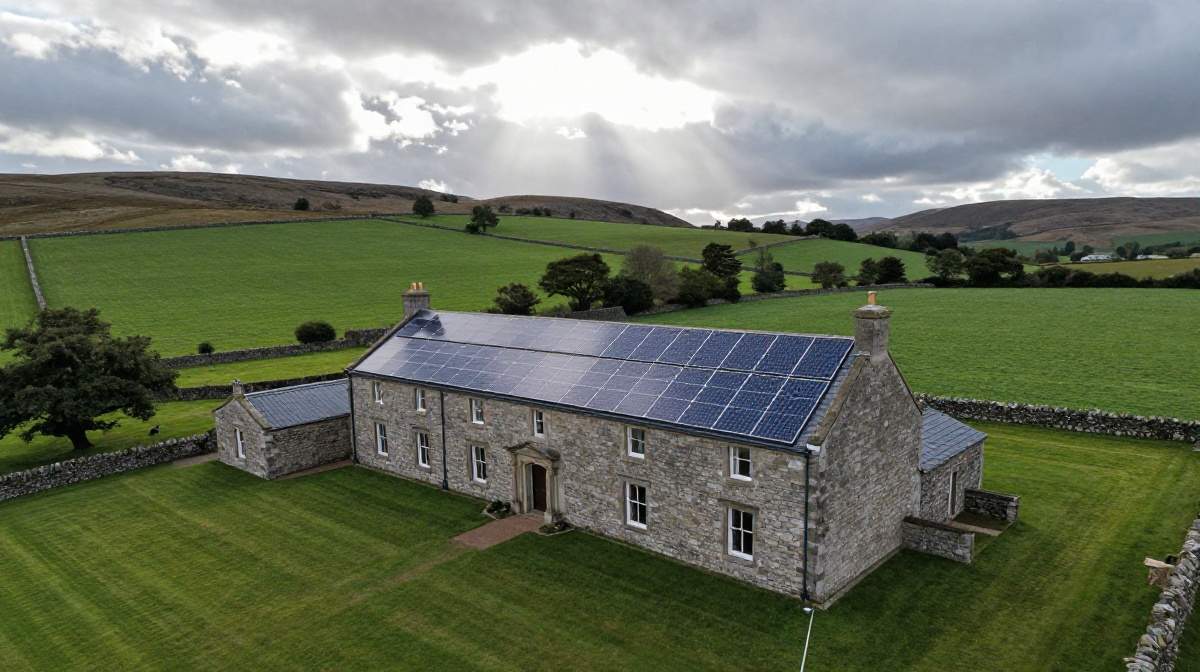
What to expect during the installation process
The actual process of getting solar panels Scotland installed is usually much faster and less intrusive than people expect. Most domestic installations are completed within one to two days. The bulk of the work happens outside on the roof, with scaffolding erected a day or two prior to the team arriving. Once the panels are securely mounted, the electricians will wire them into an inverter—a box usually located in your loft or garage that converts the raw energy into usable electricity for your home.
Before the work begins, a proper surveyor should visit your home to check the orientation of your roof. While south-facing roofs are the gold standard, east and west-facing roofs are also very productive. They might produce slightly less overall, but they often capture the sun better during the morning and late afternoon, which aligns well with when most families are actually using power. They will also check the structural integrity of your roof to ensure it can handle the additional weight of the panels and the mounting system.
Long term maintenance and system care
Once your system is up and running, there is very little you actually need to do. Solar panels are incredibly low-maintenance because they have no moving parts. In Scotland, we have a natural advantage when it comes to cleaning: the frequent rain usually does a great job of washing away dust and bird droppings that might otherwise block the light. However, it is a good idea to have a quick visual check every now and then to make sure no debris has become lodged under the panels or in the gutters.
Most modern systems come with monitoring software, often in the form of a smartphone app. This allows you to see exactly how much energy you are generating in real-time. It is quite addictive to check the app on a bright day and see your house running entirely on free energy. This data is also useful for spotting any potential issues early; if you notice a sudden drop in generation that doesn’t align with the weather, you can call out a technician to take a look. Usually, the only component that might need replacing before the panels themselves is the inverter, which typically has a lifespan of about 10 to 12 years.

Oliver is a cloud solutions architect specializing in scalable hosting services and infrastructure optimization. He writes about best practices for efficient and secure cloud deployments.