

It often starts quite subtly. You might notice a few more strands than usual in the shower tray, or perhaps the light in your bathroom catches your scalp in a way that makes your hair look thinner than it did a year ago. For many people living in Glasgow, the first instinct is to head to the high street and browse the aisles for thickening shampoos or caffeine-infused lotions. While these products might provide a temporary boost in volume, they rarely address the underlying cause of the problem. This is where the expertise of a professional hair loss clinic Glasgow becomes invaluable.
Dealing with hair loss is a deeply personal journey, and it can be quite an emotional one too. Our hair is often tied to our identity and self-confidence. When it begins to recede or thin, it can feel as though you are losing a part of yourself. However, the science of hair restoration has advanced significantly in recent years. Moving away from the ‘miracle cures’ advertised on social media and toward a clinical environment allows you to understand exactly why your hair is changing and what can actually be done about it.
What to expect when you walk through the door
If you have never visited a specialist facility before, you might feel a bit apprehensive. There is often a misconception that a hair loss clinic is only for those looking for surgery, but that is far from the truth. A reputable hair loss clinic Glasgow focuses first and foremost on diagnosis. You cannot treat a condition effectively if you do not know what is causing it.
During a typical first visit, you will likely go through a comprehensive assessment. This isn’t just a quick glance at your hairline; it is a detailed look at your medical history, your lifestyle, and the specific patterns of your hair thinning. Practitioners use specialised tools to examine the scalp and the health of individual follicles. This level of detail is something you simply cannot get from a general practitioner or a hair stylist.
The clinical assessment process
- Digital Trichoscopy: A high-magnification look at the scalp to determine hair density and follicle health.
- Medical History Review: Discussing any recent illnesses, medications, or periods of high stress that might be triggering hair shedding.
- Pattern Identification: Determining if the loss is androgenetic (genetic), telogen effluvium (temporary shedding), or something else entirely.
- Blood Tests: Sometimes, hair loss is a symptom of an internal deficiency, such as low iron or thyroid issues, which requires medical intervention.
Why a medical diagnosis changes everything
The main reason people struggle to see results with over-the-counter products is that they are treating the symptoms, not the cause. For instance, male pattern baldness is driven by genetics and hormones, specifically a sensitivity to DHT. No amount of vitamin-enriched shampoo will stop that biological process. Conversely, if your hair is thinning due to a nutritional deficiency or a scalp condition like seborrheic dermatitis, a hair transplant would be entirely unnecessary and potentially unsuccessful.
Many people believe that thinning is just something they have to live with, but a dedicated hair loss clinic glasgow can provide a range of solutions tailored specifically for women and men alike. For women, the patterns of hair loss are often different and can be more complex due to hormonal fluctuations during pregnancy or menopause. Having a specialist who understands these nuances ensures that the treatment plan is safe and effective.
Modern solutions for hair restoration
Once a diagnosis is made, the conversation shifts toward treatment. The goal of any good hair loss clinic Glasgow is to provide a bespoke plan that fits your goals and your budget. There is no ‘one size fits all’ approach in hair restoration. Some people respond incredibly well to non-surgical interventions, while others may require more permanent surgical solutions.
Non-surgical interventions
For those in the early stages of thinning, non-surgical options are often the first port of call. These are designed to stabilise existing hair and, where possible, revitalise dormant follicles. These might include:
- Prescription Medications: Clinically proven treatments that help block the hormones responsible for hair miniaturisation.
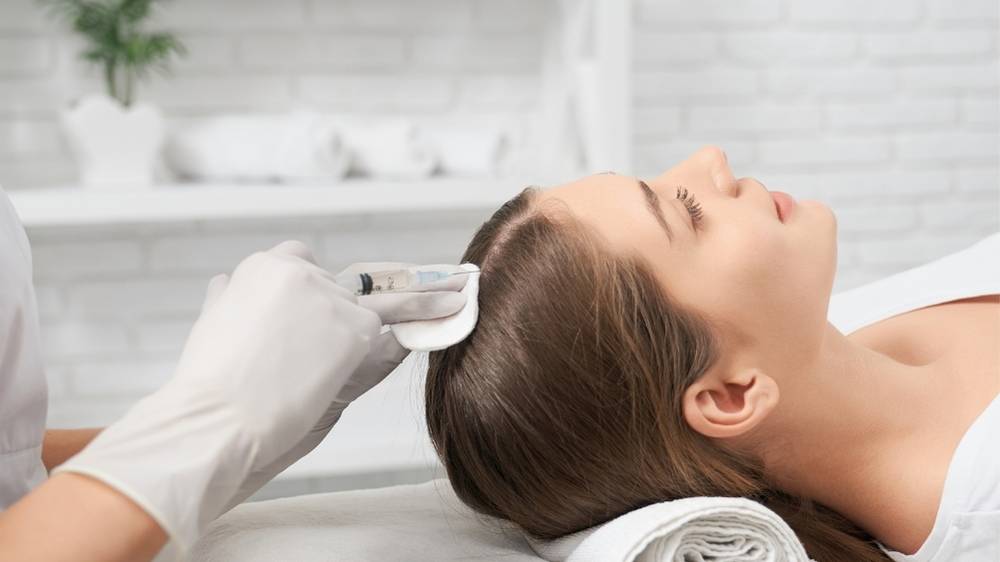
- Platelet-Rich Plasma (PRP) Therapy: A process where your own blood is processed to concentrate growth factors, which are then injected into the scalp to stimulate healing and growth.
- Low-Level Laser Therapy (LLLT): Using specific wavelengths of light to improve blood flow to the follicles and encourage thicker hair growth.
- Topical Formulations: Custom-compounded solutions that are often more potent than what is available over the counter.
Surgical options (FUE)
For those with more advanced hair loss, Follicular Unit Extraction (FUE) is the gold standard of hair transplantation. This involves moving individual follicles from a ‘donor area’ (usually the back of the head) to the thinning areas. Modern techniques mean that the results are incredibly natural-looking, with minimal downtime. The key to a successful transplant is not just the surgery itself, but the artistry of the surgeon in creating a hairline that looks age-appropriate and natural for your face shape.
How to choose the right professional for your needs
With so many options available, choosing where to go can feel overwhelming. Glasgow has several options, but not all clinics are created equal. It is vital to look for a centre that prioritises patient care over sales targets. You should feel listened to, and all your questions should be answered with transparency and honesty.
Check the credentials of the lead clinicians. Are they members of recognised professional bodies? Do they have a portfolio of real-life results that they can share with you? A trustworthy clinic will also be honest about what is achievable. If someone promises you a full head of hair that looks like you’re eighteen again when you have significant thinning, they are likely not being realistic with you. Honest expectations are the foundation of a successful patient-doctor relationship.
Another factor to consider is the level of aftercare provided. Hair restoration is rarely a one-off event; it is a process. Whether you are starting a new medication regime or undergoing a surgical procedure, you need to know that the clinic will be there to support you in the months and years that follow. Regular check-ups and adjustments to your treatment plan are essential to maintaining long-term results.
Investing in your hair is ultimately an investment in your confidence. While it might feel like a big step to book that first consultation, most people find that the clarity they gain from a professional diagnosis is a huge weight off their shoulders. Instead of guessing and hoping for the best with random products, you can move forward with a clear, medically backed plan that gives you the best possible chance of keeping and restoring your hair.

Oliver is a cloud solutions architect specializing in scalable hosting services and infrastructure optimization. He writes about best practices for efficient and secure cloud deployments.